BACKGROUND:
Food allergy is an immune reaction that occurs after ingesting food allergens. In Mexico, the “milpa diet” is the basis of the diet and has health benefits; however, it has been reported that these foods contain allergens that can induce food allergies. In the context of the World Cup being held in Mexico, visitors with food allergies are a vulnerable group, so it is important to provide both them and healthcare personnel with general information about the allergens present in the milpa diet.
OBJECTIVE.:
Describe the main allergens identified in native Mexican foods, particularly from the milpa diet, that may represent a potential risk for travelers/fans with food allergies in the context of the 2026 FIFA World Cup in Mexico.
METHODS:
A descriptive and retrospective study was conducted by searching the NIH/PubMed portal for reports of food allergies related to the milpa diet, selecting those that included allergens identified on the WHO/IUIS website. A descriptive analysis was then performed, considering only the most frequently implicated proteins associated with food allergies.
RESULTS:
The Milpa diet includes 71 foods; 51/71 (68%) have food allergy reports, and only 13/51 (25.49%) have an identified allergen (peanut, tomato, sunflower seeds, corn, pea, lentil, pumpkin, chili, papaya, pineapple, amaranth, avocado, and green bean). The most frequently reported allergens were profilins 8/13 (61.53%), nonspecific lipid transfer proteins 7/13(53.84%) and PR-10 2/13(15.38%). 6/13% (46.15%) of these foods share at least two proteins. The main association of proteins was between nonspecific lipid transfer proteins and profilins reported in the same food, 4/13 (30.76%).
CONCLUSION:
Many foods in the Milpa diet contain profilins, which are associated with oral symptoms. However, this diet includes some foods with nonspecific lipid transfer proteins, like peanuts, which can induce anaphylaxis.
ANTECEDENTES:
La alergia alimentaria es una reacción inmunológica que ocurre posterior a la ingesta de alérgenos alimentarios. En México, la “Dieta de la milpa” es la base de la alimentación, que posee beneficios para la salud; sin embargo, se ha informado que estos alimentos contienen alérgenos que pueden inducir alergia alimentaria. En el contexto del mundial de fútbol con sede en México, un grupo vulnerable son los visitantes con alergia alimentaria, por lo que es importante ofrecer, tanto a ellos como a al personal de salud, información general del repertorio alérgico de la dieta de la milpa.
OBJETIVO:
Describir los principales alérgenos identificados en alimentos locales de México, particularmente de la dieta de la milpa, que pueden representar un riesgo potencial para viajeros o aficionados con alergia alimentaria en el contexto de la Copa Mundial de la FIFA 2026 en México.
MÉTODOS:
Estudio descriptivo y retrospectivo, llevado a cabo a partir de la búsqueda de información de reportes de alergia alimentaria relacionada con la dieta de la milpa en el portal NIH/PubMed, seleccionando aquellos que mostraban el reporte de alérgenos identificados en el sitio web WHO/ IUIS. Posteriormente, se realizó un análisis descriptivo, considerando solo las proteínas de mayor frecuencia implicadas con alergia alimentaria.
RESULTADOS:
Se identificaron 71 alimentos conformados en la dieta de la milpa: 68% (51 de 71) tuvieron reporte de alergia alimentaria y solo 25.49% (13 de 51: cacahuate, tomate, semillas de girasol, maíz, guisante, lenteja, calabaza, chile, papaya, piña, amaranto, aguacate, ejote) tienen identificado un alérgeno, principalmente profilinas (61.53%; 8 de 13), subsecuentemente proteínas de transferencia de lípidos no específicas (53.8%; 7 de 13) y PR- 10 (15.38%; 2 de 13). El 46.15% (6 de 13) de los alimentos comparten al menos dos proteínas; la principal combinación se evidenció entre alimentos que contienen proteínas de transferencia de lípidos no específicas y profilinas (30.76%; 4 de 13 para cada uno).
CONCLUSIÓN.:
La mayor parte de los alimentos incluidos en la dieta de la milpa contienen profilinas, que se asocian a síntomas orales. No obstante, esta dieta contiene alimentos que comparten proteínas de transferencia de lípidos no específicas (por ejemplo, cacahuate), que pueden inducir anafilaxia.
BACKGROUND
Football is the most popular sport worldwide, and the Fédération Internationale de Football Association (FIFA) has been its main governing body, overseeing and promoting its development at all levels. Its central event is the FIFA World Cup, a tournament whose growth has steadily increased global viewership, sponsorship, and economic impact in host countries.1,2
The FIFA World Cup is held every four years, and the 2026 edition will be the first organized by three countries (Mexico, the United States of America, and Canada). A significant number of visitors is expected in Mexico, predominantly men aged 18 to 44, coming from regions such as South America, East Asia, and Central Europe.3 It is estimated that fans will stay for approximately 12 days, spending an average of $416 USD per day, with nearly 30% of this budget allocated to food.4
During the 2026 FIFA World Cup, it is likely that many visitors will consume traditional Mexican cuisine.5 Although this represents a cultural opportunity, it also poses a challenge for individuals with food allergies, particularly when exposed to unfamiliar local ingredients. In this scenario, food education, clear labeling, training for food staff, and the preparation of the health system become especially relevant.6
A food allergy is an adverse immunological reaction triggered by proteins present in seemingly harmless foods, which occurs in susceptible individuals.7 Manifestations can appear immediately and range from mild symptoms (oral pruritus) to severe anaphylaxis, particularly in previously sensitized patients.8
Anaphylaxis is the most severe manifestation of allergy; symptoms typically appear within the first 30 minutes after consuming the allergen and include manifestations in at least two systems, including: cutaneous (urticaria, pruritus, angioedema), digestive (abdominal pain, nausea, vomiting, diarrhea), respiratory (wheezing, laryngeal obstruction, rhinorrhea), and/or hemodynamic (hypotension, syncope, tachycardia)(9); therefore, it represents a potentially life-threatening condition and is resolved by the administration of intramuscular adrenaline (0.5 mg) (0.5 mL from a 1 mg/mL ampoule, the only presentation available in Mexico).10
Food allergy is a major public health problem that affects all aspects of life, and travel is no exception.11 The prevalence of food allergy is approximately 10% worldwide.12 Furthermore, various allergens show cross-reactivity with a wide variety of foods, increasing the risk of exposure during international travel.13
Travelers with food allergies may experience allergic reactions at any stage of their journey. For example, it has been reported that the prevalence of food-related allergic reactions during flights varies ~3%, while the prevalence of reactions occurring during the trip increases to 10%. Likewise, most of these manifestations occurred in countries where the predominant language was not English.14
Various food reactions are explained by cross-reactivity, that is, the recognition of shared epitopes between different allergens by the same IgE antibody. Molecular sensitization corresponds to the coexistence of specific IgE antibodies directed against individual molecular allergenic components (genetically and immunologically defined proteins), detectable through in vitro tests.15
Based on the above, the objective of the study was to describe the main allergens identified in native Mexican foods, particularly from the milpa diet, that could represent a potential risk for travelers or fans with food allergies in the context of the 2026 FIFA World Cup in Mexico, with the intention of providing useful information for first-contact physicians and subspecialists to establish an timely diagnosis.
Méthodology
A descriptive and retrospective study was carried out based on a bibliographic search in the United States National Library of Medicine (PubMed), using combinations of terms related to each food of the milpa diet and food allergy, with the keywords: “X-food of the MILPA-D (scientific name) AND food allergy”; [for example, Solanum lycopersicum (tomato) AND food allergy]. Articles from 2002 to 2025 were included, with an emphasis on plant-based foods, the main group that constitutes the milpa diet. Subsequently, only those that had an allergen described in the World Health Organization/International Union of Immunological Societies (WHO/IUIS) database were selected and, in turn, were classified by protein families. Finally, a descriptive analysis of the most frequently identified proteins was performed, and the results were expressed in percentages. Supplementary Figure 1
RESULTS
The “milpa” diet consists of 71 foods, and 51 of these have food allergy reports; however, at least one allergen was identified in only 13 vegetable foods: peanut, tomato, sunflower seeds, corn, pea, lentil, pumpkin, chili, papaya, pineapple, amaranth, green bean, and avocado. Figure 1
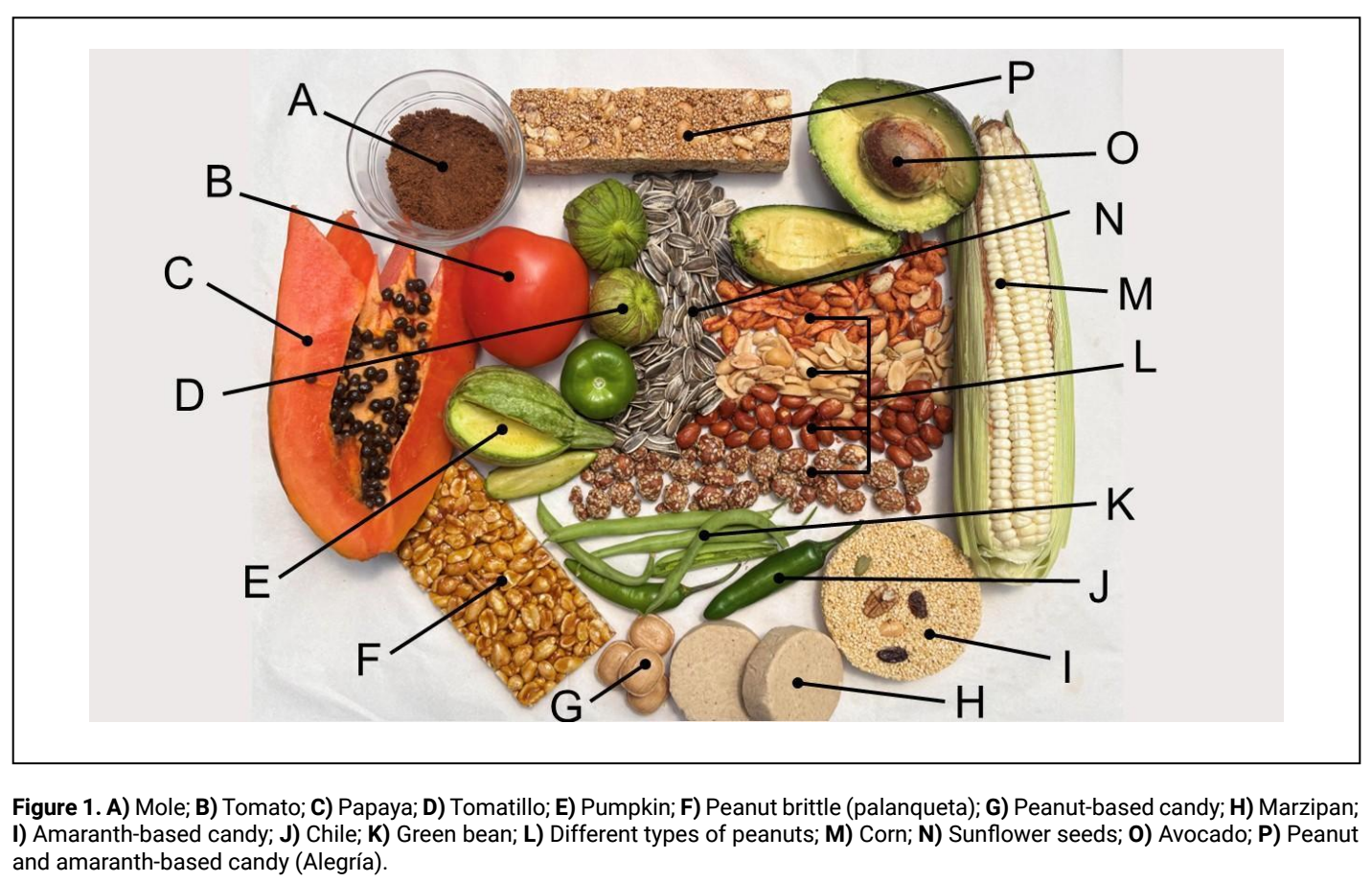
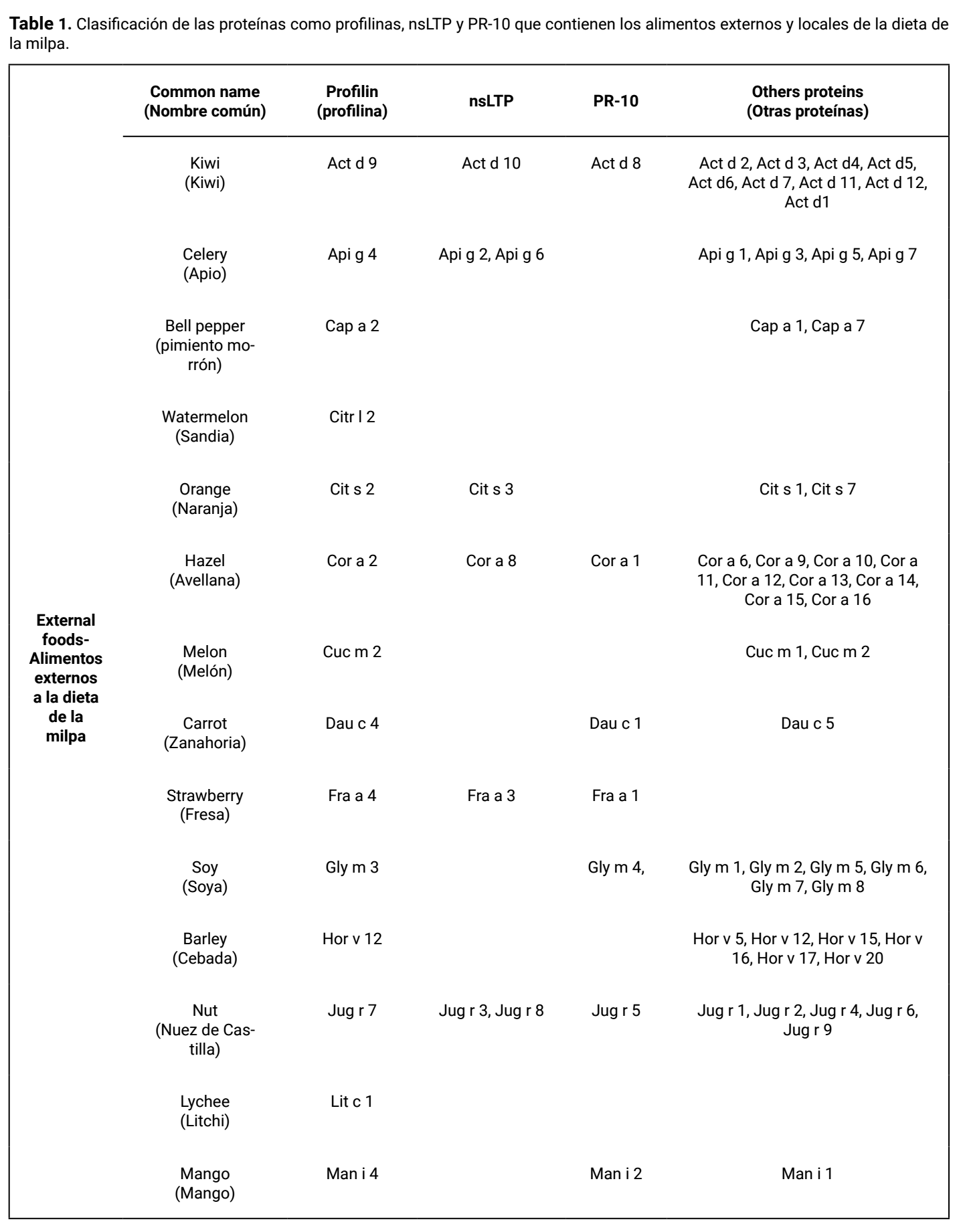
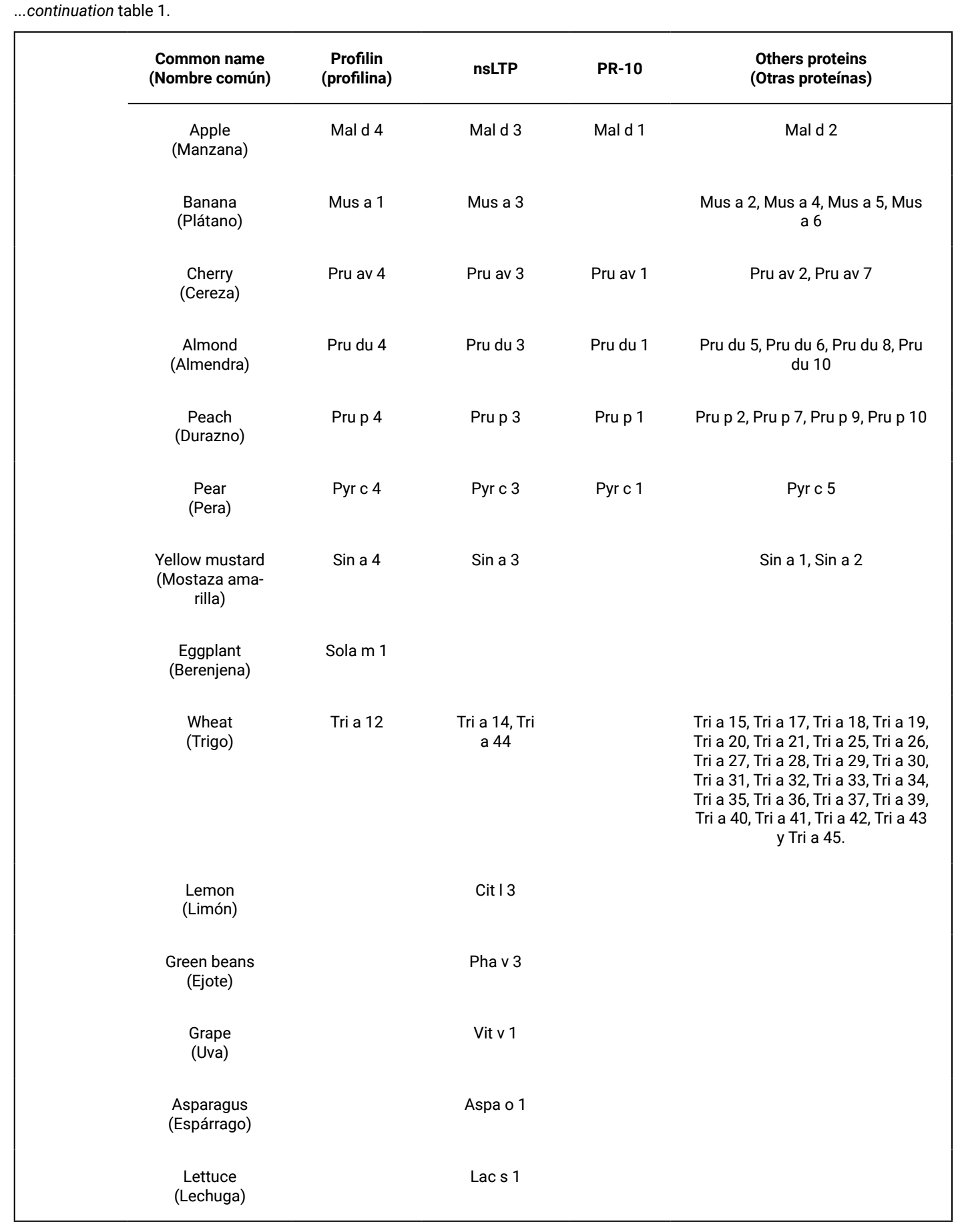
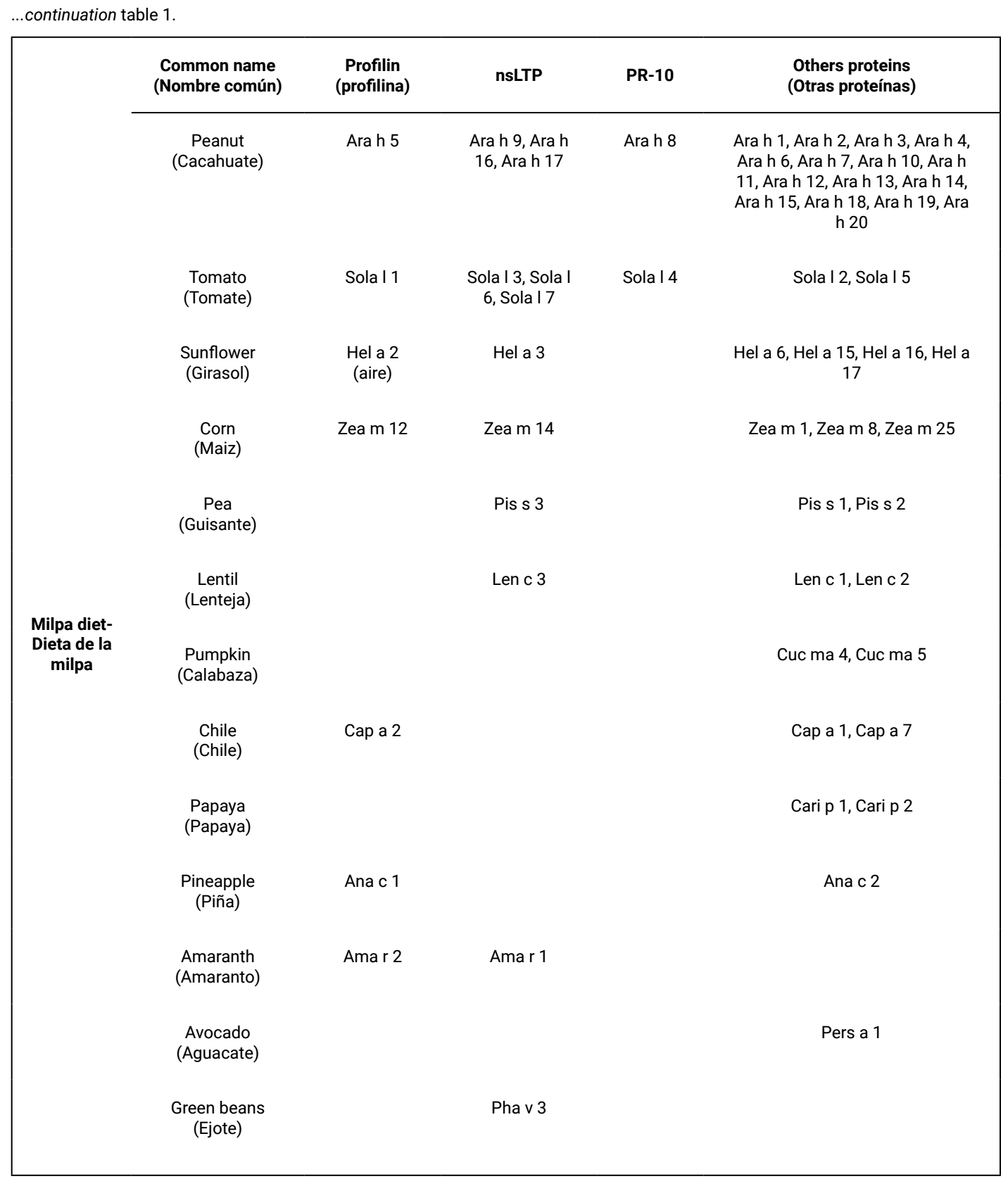
The most relevant protein families in vegetables were profilins, present in eight foods (peanut, tomato, sunflower seeds, corn, chili, pineapple, green bean, and amaranth), followed by nonspecific lipid transfer proteins (nsLTP), identified in seven foods (peanut, tomato, sunflower seeds, corn, pea, lentil, and amaranth), and PR-10, present in two foods (peanut and tomato).
Additionally, a broad group of other allergenic proteins was identified (n = 36 proteins in 13 foods), mainly: endo-polygalacturonase in papaya, 2S-albumin in peanut, bromelain in pineapple, beta-fructofuranosidase in tomato, and vicilin in lentil. (Table 1)16 38.46% (5/13) of the foods shared at least two allergenic proteins. In particular, peanut and tomato shared the three main families described (2/13; 15.38%), while sunflower seeds, corn, and amaranth shared profilins and nsLTP (3/13; 23.07%). Supplementary Figure 2
DISCUSSION
In this descriptive analysis, profilins were the most frequent protein family in the foods of the milpa diet with identified allergens. These proteins are found in widely consumed and easily accessible foods, such as peanut, tomato, sunflower seeds, corn, chili, pineapple, green bean, and amaranth, which increases the probability of exposure in the local population and among tourists or fans.
Food allergy is a disease whose incidence has increased. Although milk and egg are among the most prevalent food allergens worldwide, various fruits, tree nuts, and peanuts also represent relevant sources of sensitization and clinical disease.17
In the present analysis, profilins and PR-10 stood out for their frequency. Both protein families are usually thermolabile and susceptible to digestion, so they have been associated mainly with mild manifestations: pruritus and edema in the lips, tongue, palate, and pharynx, in the context of oral allergy syndrome (OAS), which can appear after the consumption of raw fruits-vegetables in previously sensitized patients, although the risk of systemic reaction with these proteins is extremely low.15,18,19 However, it is important to mention that, although several foods share common antigenic determinants, this phenomenon is not necessarily related to any allergic clinical manifestation.20 In Mexico, various foods containing these proteins are consumed as snacks, traditional sweets, or ingredients commonly used in sauces, salads, and other preparations.
On the contrary, nsLTP are more stable proteins to heat and digestion, so they can induce reactions, even after cooking, and have been related to systemic reactions.21 In this context, peanuts and tomatoes acquire special clinical relevance, because they are part of widely consumed preparations, including sauces and other typical dishes. Although peanut proteins were not of high frequency in this study, they represent one of the most relevant allergens worldwide, and have been related to systemic reactions (anaphylaxis), which is important because it is incorporated into a great variety of foods in Mexican culture.22,23 Figure 2A
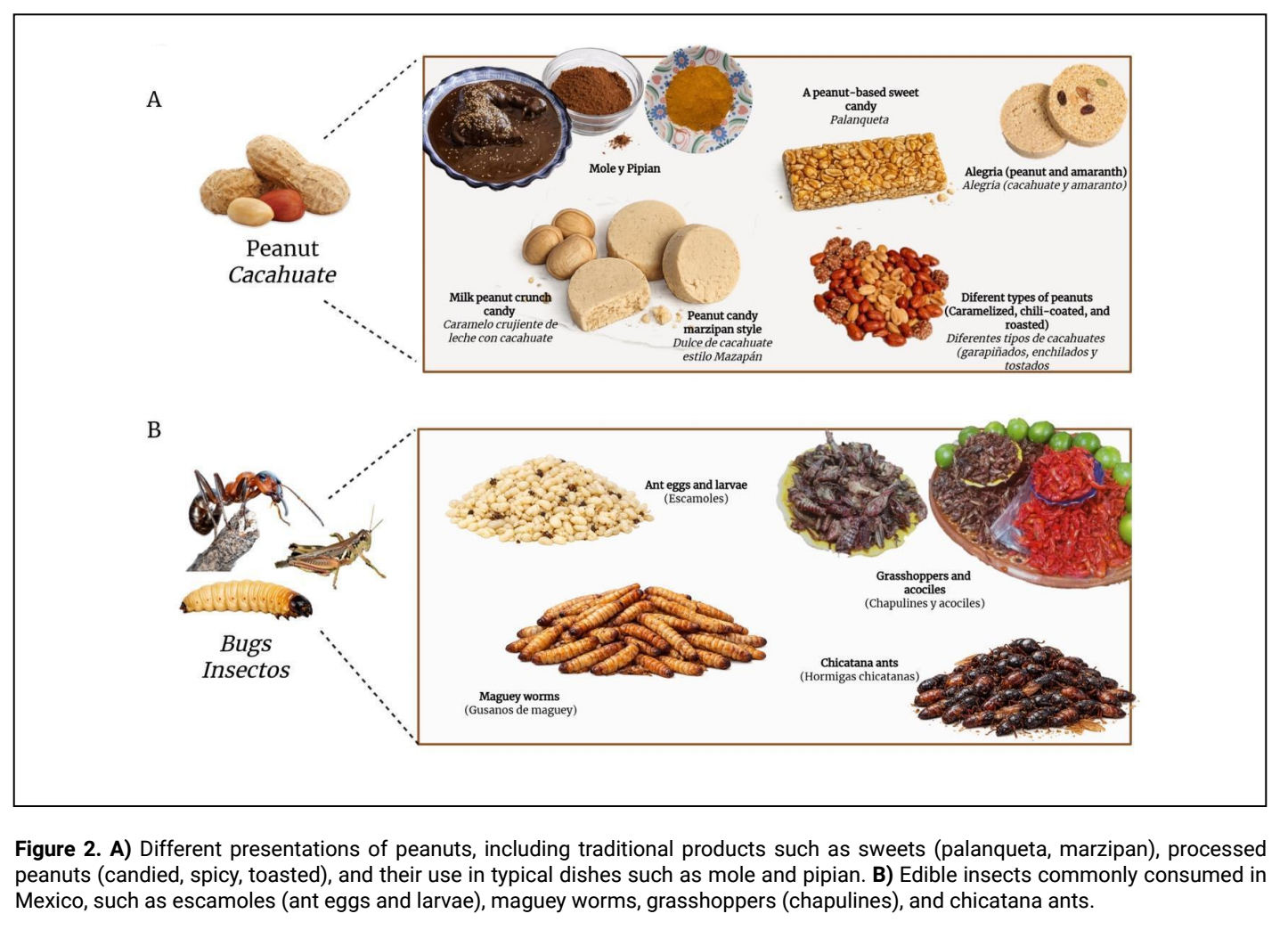
In Mexico, the ingestion of insects is common, for example, crickets, scorpions, ants, escamoles (ant eggs), and acociles (crustaceans), foods that are very attractive to foreign visitors; however, many of these contain tropomyosin (a protein related to anaphylaxis), which, despite not being a protein group evaluated in our analysis, the identification of this protein poses a risk in susceptible patients with previously known shrimp allergy, due to the probable phenomenon of cross-reactivity between these species.24 Figure 2B
A significant proportion of the analyzed foods shared more than one allergenic protein family.25 This finding supports the possibility of cross-reactivity or concomitant sensitizations in susceptible individuals. For example, patients allergic to apples could also be allergic to carrots, due to the presence of PR-10 and/or profilins,13,26 and this may suggest susceptibility to tomatoes when consumed raw.
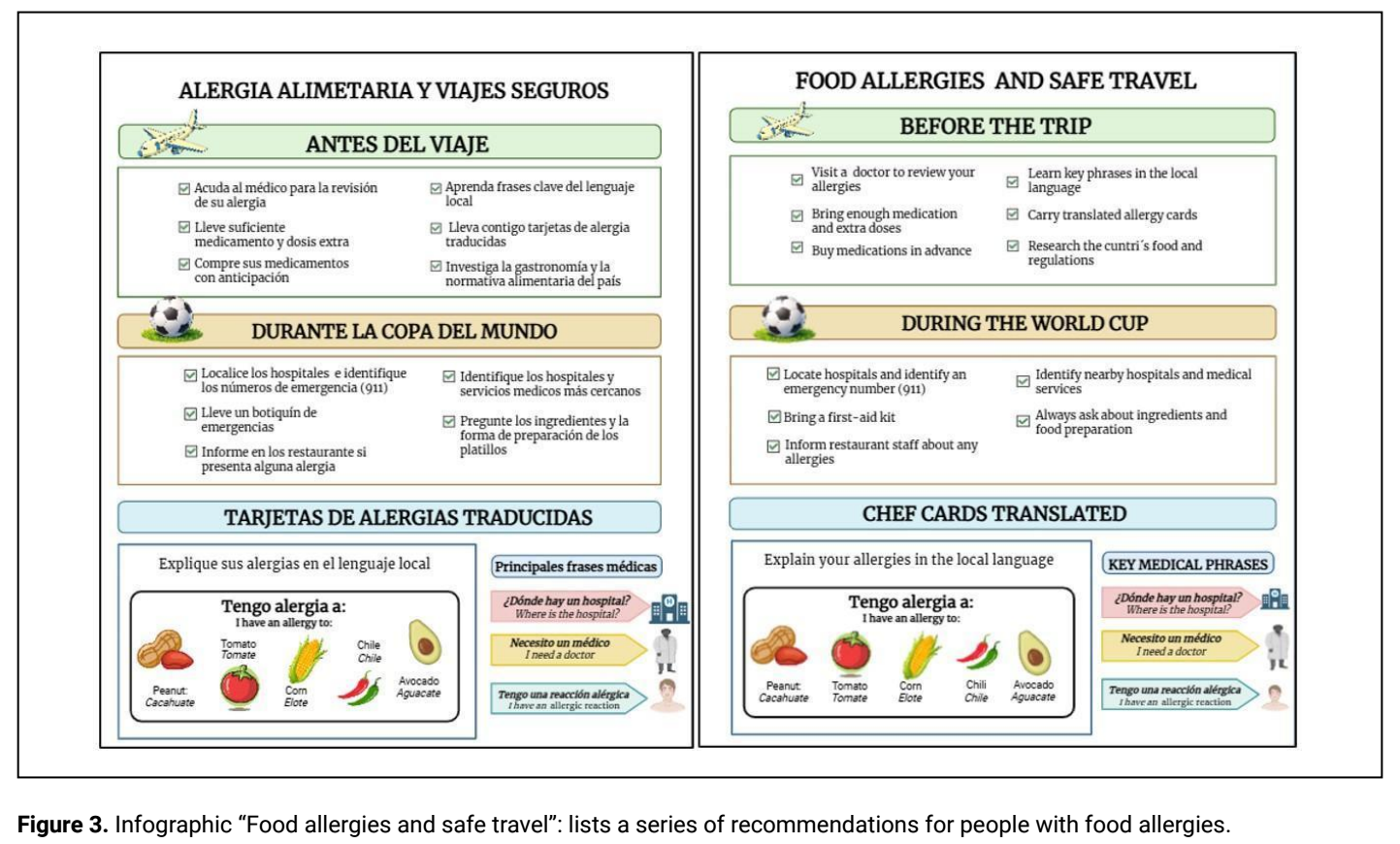
In international events, such as the 2026 FIFA World Cup, tourists face an environment of great cultural and gastronomic diversity, which increases the probability of exposure to unfamiliar allergens. Therefore, it is essential to strengthen health education and promote specific preventive strategies for travelers with food allergies.11 Figure 3
The present search focused mainly on foods of plant origin, due to their wide distribution in local foods and frequent incorporation into typical dishes, where their identification may not be evident to the tourist. This characteristic justifies the relevance of the approach adopted in our study. However, a limitation of this methodology is that the analysis of allergens or protein families contained in each food depends on the existing information in the WHO/IUIS database, which is updated intermittently and considers only validated allergenic proteins for consultation.
This research seeks to provide useful and accessible information for first-contact physicians and fan patients with food allergies who will travel to Mexico during the 2026 FIFA World Cup. Although the milpa diet is recognized for its nutritional value and metabolic and cardiovascular benefits, the foods can contain proteins with allergenic potential in susceptible individuals.26,27
In this context, it is recommended that travelers attending the 2026 FIFA World Cup with a diagnosis of food allergy identify nearby health services near the main sports venues in advance, and request detailed information on the ingredients and preparation of dishes, given the impossibility of preparing their own food.17 In particular, it is advisable to take extreme precautions with foods containing nsLTP: peanut, tomato, sunflower seeds, corn, pea, lentil, and amaranth, due to their possible association with systemic reactions in previously sensitized patients and, therefore, with greater susceptibility.
Regarding labeling rules in Mexico, NOM-051-SCFI/SSA1-2010 establishes that the identification of allergens must be declared in a mandatory and visible manner on the label of manufactured products with the phrase “may contain”.28 However, it is important to mention that, in foods prepared in restaurants, markets, or on the public street, this identification may be limited, which represents an additional risk for tourists with food allergies at the time of consumption.
It is important to comment that among the main challenges for travelers with food allergies are language barriers, so effective communication is also key. Among the safety strategies when consuming food abroad are: 1) always ask about ingredients and the method of preparation, 2) notify the allergy in restaurants, 3) use translation cards in the local language, and 4) avoid environments with a high risk of cross-contamination (buffets). Additional measures, for example: carrying safe food during travel and cleaning contact surfaces, can also contribute to reducing complications.
CONCLUSIONS
Within the foods included in the “milpa” diet with identified allergens, profilins were the most frequent protein family; therefore, they may be primarily associated with local manifestations. However, some widely consumed foods also showed nsLTPs or tropomyosin, protein families of greater clinical relevance related to systemic reactions, including anaphylaxis. Together, these findings provide useful information to guide travelers with food allergies visiting Mexico during the 2026 FIFA World Cup, as well as for the physicians involved in their care.
Declaraciones
Acknowledgments
We thank physicians Ximena Cabrera González, Regina Manzanilla Bello, and Daniela Galindo Castañeda for their contributions to the development of this work.
Author contribution
All authors contributed to the preparation of this manuscript.
Conflict of interest
The authors declare no conflict of interest.
Funding
This article received no funding.
Human and animal rights declaration
This article does not report studies conducted on humans or animals.
Key references Bjelac J, Abrams EM, Iglesia EGA. Food allergies on vacation—there and back again. Annals of Allergy, Asthma and Immunology. Am Coll Allergy Asthma Immunol 2023; 438-43. doi:10.1016/j.anai.2023.01.008 PubMed PMID: 36690205WHO/IUIS. Allergen Nomenclature Sub-Committee. Allergen details [Internet]. [cited 2026 Apr 16]. Available from: https://allergen.org/viewallergen.php?aid=399Popescu FD. Cross-reactivity between aeroallergens and food allergens. World J Methodol. 2015;5(2):31. doi:10.5662/wjm.v5.i2.31
Permissions
All figures and tables are original.
Permissions
All figures and tables are original.
Agradecimientos
Agradecemos a los médicos: Ximena Cabrera González, Regina Manzanilla Bello y Daniela Galindo Castañeda por sus aportaciones a la elaboración de este trabajo.
Contribución de los autores
Todos los autores contribuyeron a la elaboración del presente manuscrito.
Conflicto de interés
Los autores declaran no tener conflicto de interés.
Financiamiento
Este artículo no recibió ningún financiamiento.
Declaración de derechos humanos y de los animales
Este artículo no reporta estudios realizados en seres humanos ni en animales.
Referencias clave Bjelac J, Abrams EM, Iglesia EGA. Food allergies on vacation—there and back again. Annals of Allergy, Asthma and Immunology. Am Coll Allergy Asthma Immunol 2023; 438-43. doi:10.1016/j.anai.2023.01.008 PubMed PMID: 36690205WHO/IUIS. Allergen Nomenclature Sub-Committee. Allergen details [Internet]. [cited 2026 Apr 16]. Available from: https://allergen.org/viewallergen.php?aid=399Popescu FD. Cross-reactivity between aeroallergens and food allergens. World J Methodol. 2015;5(2):31. doi:10.5662/wjm.v5.i2.31
Permisos
Todas las figuras y tablas son originales.
Permisos
Todas las figuras y tablas son originales.
REFERENCIAS
- 1.Fédération Internationale de Football Association. FIFA organization. FIFA. 2026. https://inside.fifa.com/en/organisation
- 2.INSIDE FIFA. FIFA fan survey engages fans globally. 2016. https://inside.fifa.com/news/fifa-fan-survey-engages-fans-globally-2841405.
- 3.FIFA. Todo sobre el Torneo clasificatorio para la Copa Mundial de la FIFA. 2025. https://www.fifa.com/es/tournaments/mens/worldcup/canadamexicousa2026/articles/torneo-clasificatorio-copa-mundial-fifa-play-off-cuando-es-repesca-como-se-juega-repechaje-mundial-2026.
- 4.Fairley S. In Search of Relived Social Experience: Group-Based Nostalgia Sport Tourism. Vol 17.; 2003.
- 5.Secretaría de Agricultura y Desarrollo Rural. Los platillos mexicanos más conocidos en el extranjero. Gobierno de México. https://www.gob.mx/agricultura/dgsiap/articulos/los-platillos-mexicanos-mas-conocidos-en-el-extranjero.
- 6.Food and Agriculture Organization of the United Nations; World Health Organization. Code Of Practice On Food Allergen Management For Food Business Operators. 202AD. https://www.fao.org/fao-who-codexalimentarius/sh-.
- 7.Rizzi A, Gangemi S. Food Allergy: Epidemiology, Pathogenesis, Diagnosis, and Treatment. J Clin Med 2024; 13 (19). doi:10.3390/jcm13196010
- 8.Price A, Ramachandran S, Smith GP, Stevenson ML, Pomeranz MK, et al. Oral allergy syndrome (Pollen-food allergy syndrome). Dermatitis 2015; 26 (2): 78-88. doi:10.1097/DER.0000000000000087
- 9.Rubio C, Lasa E, Arroabarre E, García BE, et al. Anafilaxia. 2003.
- 10.Soar J, Pumphrey R, Cant A, et al. Emergency treatment of anaphylactic reactions—Guidelines for healthcare providers. Resuscitation 2008; 77 (2): 157-169. doi:10.1016/J.RESUSCITATION.2008.02.001
- 11.Bjelac J, Abrams EM, Iglesia EGA. Food allergies on vacation—there and back again. Ann Allergy Asthma Immunol 2023; 130 (4): 438-443. doi:10.1016/j.anai.2023.01.008
- 12.Ontiveros N, Valdez-Meza EE, Vergara-Jiménez MJ, Canizalez-Román A, et al. Parent-reported prevalence of food allergy in Mexican schoolchildren: A population-based study. Allergol Immunopathol (Madr) 2016; 44 (6): 563-570. doi:10.1016/j.aller.2016.03.003
- 13.Popescu FD. Cross-reactivity between aeroallergens and food allergens. World J Methodol 2015; 5 (2): 31. doi:10.5662/wjm.v5.i2.31
- 14.Charoensakulchai S, Sukme C, Chantapinya P, et al. Characteristics of food-related allergic reactions during travel: a scoping literature review. Trop Dis Travel Med Vaccines 2025. doi:10.1186/s40794-025-00282-z
- 15.Muluk NB, Cingi C. Oral allergy syndrome. Am J Rhinol Allergy 2018; 32 (1): 27-30. doi:10.2500/ajra.2018.32.4489
- 16.WHO/IUIS. Allergen Nomenclature Sub-Committee. Allergen details. https://allergen.org/viewallergen.php?aid=399. Accessed April 16, 2026.
- 17.Yuan I, Capucilli P. Food allergy and travel: Is it time to establish best practice parameters? Ann Allergy Asthma Immunol 2023; 130 (4): 401-402. doi:10.1016/j.anai.2023.02.002
- 18.Rojo-Gutiérrez MI, Ballesteros-González D. Oral allergy syndrome (OAS). Rev Alerg Mex 2023; 70 (4): 306-312. doi:10.29262/ram.v70i4.1315
- 19.Kashyap RR, Kashyap RS. Oral Allergy Syndrome: An Update for Stomatologists. J Allergy (Cairo) 2015; 2015: 1-6. doi:10.1155/2015/543928
- 20.Muraro A, Worm M, Alviani C, et al. EAACI guidelines: Anaphylaxis (2021 update). Allergy: Eur J Allergy Clin Immunol 2022; 77 (2): 357-377. doi:10.1111/all.15032
- 21.Nguyen SMT, Rupprecht CP, Haque A, Pattanaik D, et al. Mechanisms governing anaphylaxis: Inflammatory cells, mediators, endothelial gap junctions and beyond. Int J Mol Sci 2021; 22 (15). doi:10.3390/ijms22157785
- 22.Burks AW, Williams LW, Helm RM, Connaughton C, et al. Identification of a Major Peanut Allergen, Ara h I, in Patients with Atopic Dermatitis and Positive Peanut Challenges.
- 23.Lieberman JA, Gupta RS, Knibb RC, et al. The global burden of illness of peanut allergy: A comprehensive literature review. Allergy: Eur J Allergy Clin Immunol 2021; 76 (5): 1367-1384. doi:10.1111/all.14666
- 24.Ayuso R, Reese G, Leong-Kee S, Plante M, et al. Molecular Basis of Arthropod Cross-Reactivity: IgE-Binding Cross-Reactive Epitopes of Shrimp, House Dust Mite and Cockroach Tropomyosins. Vol 129.; 2002. www.karger.com/journals/iaa.
- 25.Kamath SD, Bublin M, Kitamura K, Matsui T,et al. Cross-reactive epitopes and their role in food allergy. J Allergy Clin Immunol 2023; 151 (5): 1178-1190. doi:10.1016/j.jaci.2022.12.827
- 26.Huerta-Álvarez A, Arellano M, Chávez-Méndez CA, Carpinteyro-Espin P, et al. Milpa Diet for MASLD in Mesoamerican Populations: Feasibility, Advantages, and Future Perspectives. Life (Basel) 2025; 15 (5). doi:10.3390/life15050812
- 27.Biruete A, Leal-Escobar G, Espinosa-Cuevas Á, Mojica L, et al. Dieta de la Milpa: A Culturally-Concordant Plant-Based Dietary Pattern for Hispanic/Latine People with Chronic Kidney Disease. Nutrients 2024; 16 (5). doi:10.3390/nu16050574
- 28.Secretaría de Economía/Comisión Federal para la Protección contra Riesgos Sanitarios. NOM-051-SCFI-SSA1-2010. https://platiica.economia.gob.mx/normalizacion/nom-051-scfi-ssa1-2010/.